
The Allure of Risk: Understanding the Gambler’s Mindset
The psychology behind why people gamble often centers on the thrill and excitement that accompanies risk-taking. Engaging in casino games offers an adrenaline rush that is unmatched in many other activities. This sense of exhilaration is driven by a complex interplay of anticipation and reward, as players find themselves caught in the allure of potentially winning big. Moreover, many people choose to play at the best non gamstop casinos uk because of their appealing features and accessibility.
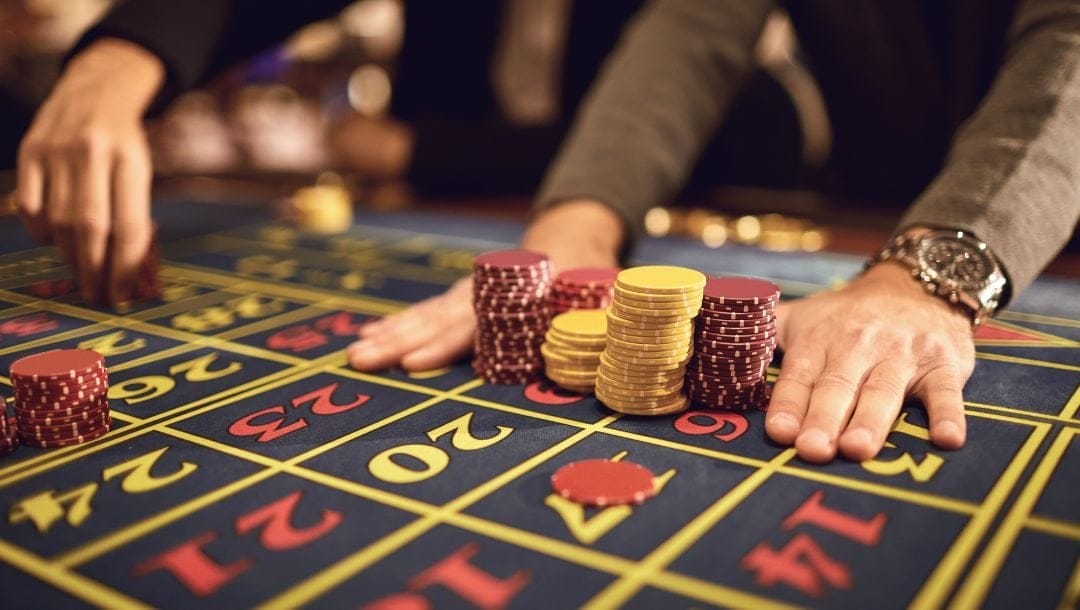
Moreover, the concept of risk is not merely about the chance of losing money. For many, gambling serves as an escape from daily life, providing a temporary reprieve from stress or monotony. When players step into a casino, they immerse themselves in an environment that is designed to be stimulating and suspenseful, enhancing their experience and making it difficult to resist the temptation to play.
Neurological Factors: The Brain on Gambling
Research has shown that gambling activates specific areas of the brain associated with pleasure and reward. When players engage in games of chance, their brains release dopamine, a neurotransmitter that creates feelings of happiness and satisfaction. This response is similar to what one might experience with addictive substances, leading some individuals to pursue gambling as a way to recreate that rush.
Additionally, the random reward schedule inherent in many casino games—such as slot machines—can create a phenomenon known as the «near-miss effect.» This psychological trigger occurs when a player nearly wins, reinforcing their desire to continue playing. The brain’s response to these near-wins often leads to a cycle of chasing losses, further entrenching a player’s behavior in the gambling world.
The Role of Social Interaction in Gambling
Gambling is not merely an individual endeavor; it often involves social elements that enhance the overall experience. Casinos are designed to encourage interaction among players, whether through communal games like poker or the shared excitement of a successful slot spin. This sense of camaraderie can amplify the enjoyment of the game, as players bond over shared hopes and experiences.
Moreover, social gambling can serve as a means to strengthen friendships and create new connections. Many people visit casinos as a group, finding enjoyment not just in the games themselves, but in the social environment that surrounds them. This community aspect can make gambling more appealing and difficult to resist, as players often gravitate toward the thrill of the shared experience.
Cognitive Biases: How Our Minds Deceive Us in Gambling
Cognitive biases play a crucial role in the psychology of gambling, as they can skew a player’s perception of odds and payouts. For instance, the gambler’s fallacy leads individuals to believe that past outcomes will influence future results, causing them to make irrational decisions based on streaks or patterns that do not actually exist. This misinterpretation of probability can compel players to gamble more than they normally would.
Another common bias is the illusion of control, where players believe they can influence the outcome of a game through skill or strategy, despite the inherent randomness involved. These cognitive distortions can create a false sense of security, compelling individuals to engage in gambling behavior that may lead to significant financial losses while dismissing the odds stacked against them.

Maintaining a Secure Gaming Environment
Ensuring a safe and secure environment for players is a priority for many online and physical casinos. With advancements in technology and cybersecurity, gaming establishments have implemented measures to protect users from potential threats and enhance their overall experience. This includes employing high-level encryption, secure payment methods, and responsible gaming practices to promote healthy gambling behaviors.
In this context, players can enjoy their gaming experiences with the assurance that their data is protected and that they can seek help if needed. The focus on security allows individuals to engage more freely with their favorite games while also being vigilant about the need for responsible gambling. Ultimately, a secure environment fosters a more positive relationship between players and the casino world, enhancing enjoyment while minimizing risks.